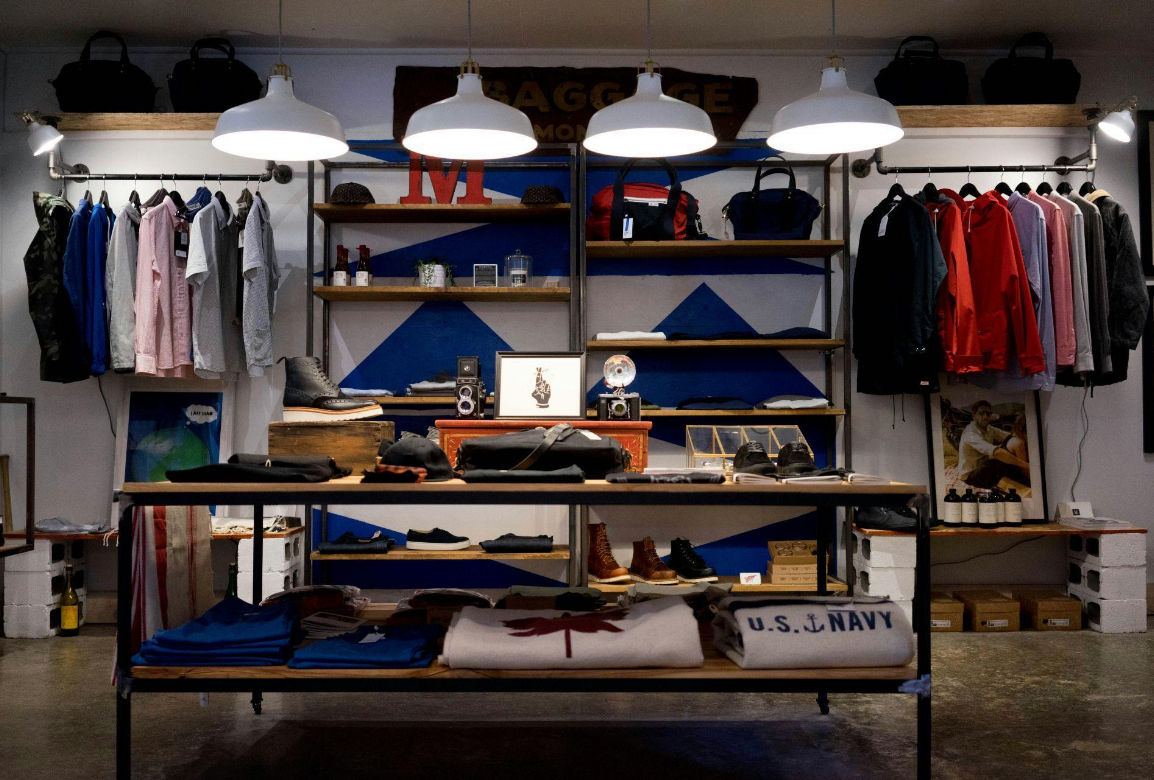
Walk into a beautifully designed store, and you’ll likely stay longer than you intended. That’s no accident. Retail design is a sophisticated discipline that blends psychology, architecture, branding, and hospitality to create spaces that are as memorable as the products they sell. According to research from retail analytics firms, shoppers often form an impression of a store within the first few seconds of entering, while studies have consistently shown that thoughtfully designed environments can encourage longer visits and increase purchase intent.
Contents
Start with a Statement Entrance
The entrance acts as a visual handshake between a brand and its customers. Rather than overwhelming visitors with promotional displays, high-end retailers often keep this area relatively uncluttered, allowing the architecture and materials to make the first impression.
Large glass storefronts, carefully considered lighting, and striking flooring immediately establish a sense of quality. A marble mosaic floor, for example, creates an elegant arrival experience. Natural stone has long been associated with luxury, but modern mosaic patterns can feel equally contemporary and timeless.
Create Layers Instead of Filling Space
One of the most common mistakes in retail design is trying to showcase every product at once. Luxury stores understand that negative space is just as valuable as display space.
Interior designers frequently borrow techniques from residential design, using layered lighting, varied textures, and carefully spaced furniture to create visual rhythm. Rather than packing shelves from floor to ceiling, curated displays encourage customers to slow down and appreciate individual products.
Invest in Lighting That Flatters Everything
Lighting remains one of the most transformative elements in retail design. Even the most beautiful materials can appear flat under harsh overhead illumination.
Instead, sophisticated stores combine ambient, accent, and decorative lighting to create depth throughout the space. Warm color temperatures tend to make interiors feel welcoming, while directional lighting highlights key collections without creating uncomfortable glare.
Layered lighting also allows stores to subtly guide customers through the space, emphasizing focal points without relying on excessive signage.
Let Materials Tell the Story
Today’s shoppers are increasingly drawn to authenticity. Industry reports continue to show growing consumer appreciation for natural materials and craftsmanship, particularly among younger buyers seeking products with lasting value.
Wood, linen, brass, limestone, and handcrafted ceramics all introduce warmth and a human touch. Mixing refined materials with tactile textures prevents interiors from feeling overly polished or intimidating.
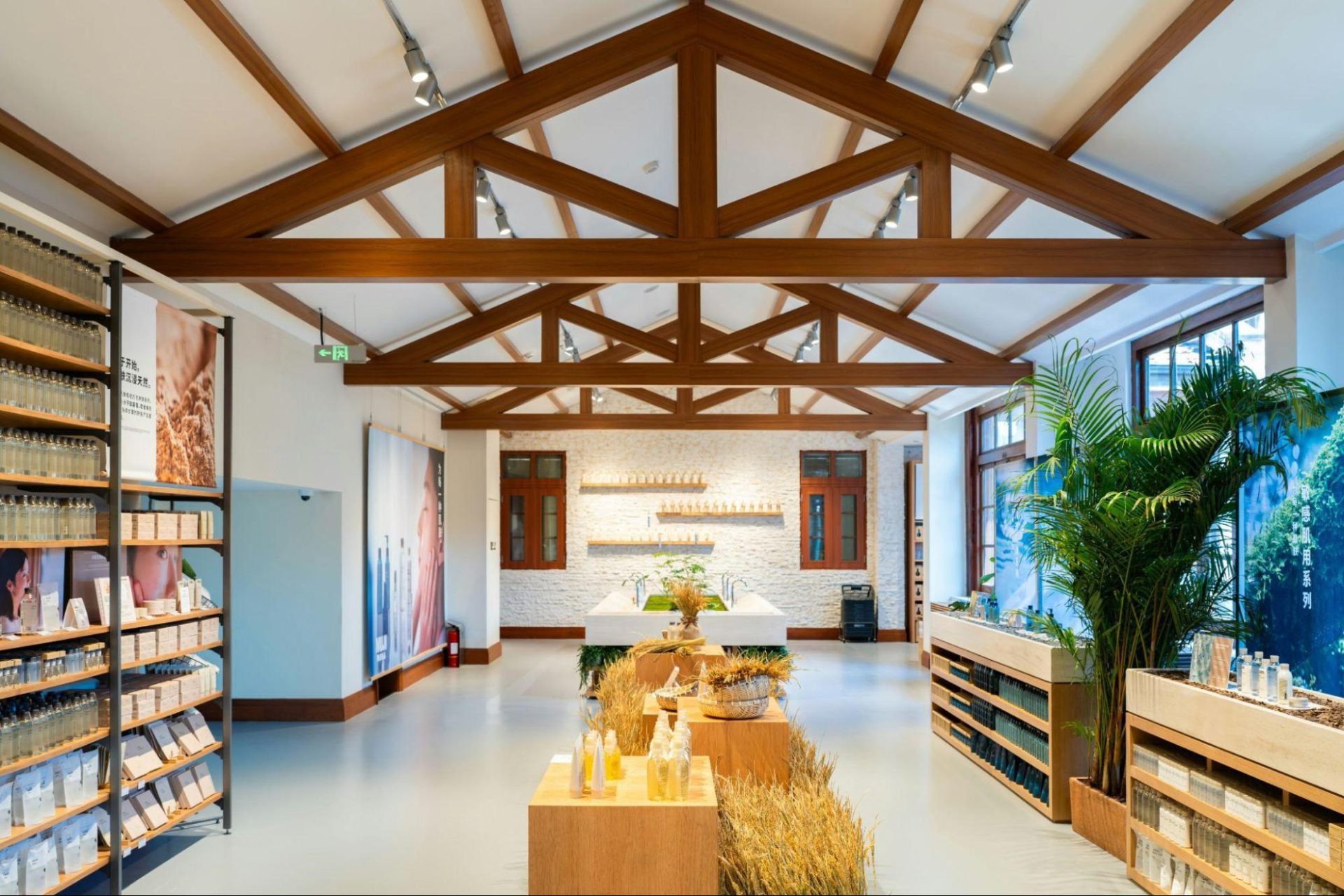
Build a Cohesive Brand Identity
Every design decision should reinforce the store’s identity, from typography to display fixtures. Strong branding isn’t about repeating logos everywhere; it’s about creating consistency across every touchpoint.
A thoughtfully integrated mosaic logo at the entrance or checkout area can become a subtle architectural feature rather than simply functioning as signage. When branding is incorporated into the materials themselves, it feels more permanent, sophisticated, and memorable.
Introduce Hospitality-Inspired Comfort
As online shopping continues to reshape consumer expectations, physical stores are increasingly borrowing ideas from boutique hotels and upscale residential interiors.
Comfortable seating, soft textiles, curated artwork, and even signature scents help transform shopping from a transaction into an experience. Retail experts frequently note that experiential elements encourage longer dwell times, which are closely associated with increased sales opportunities.
Keep Color Palettes Intentional
Neutral palettes continue to dominate luxury retail for good reason. Shades of cream, taupe, charcoal, and warm white provide a calm backdrop that allows merchandise to become the focal point.
That doesn’t mean stores should avoid color altogether. Rich jewel tones, muted greens, or earthy terracottas can create memorable accents when used strategically. A limited palette creates visual continuity and helps even diverse product collections feel cohesive.
Design for Social Sharing Without Chasing Trends
Social media has undoubtedly influenced retail interiors, but the most successful spaces avoid designing solely for viral moments. Instead, they create authentic environments that people naturally want to share.
Architectural details, sculptural lighting, custom shelving, and beautifully composed displays often become the images customers choose to share online. These organic moments tend to age far better than trend-driven installations designed purely for Instagram.