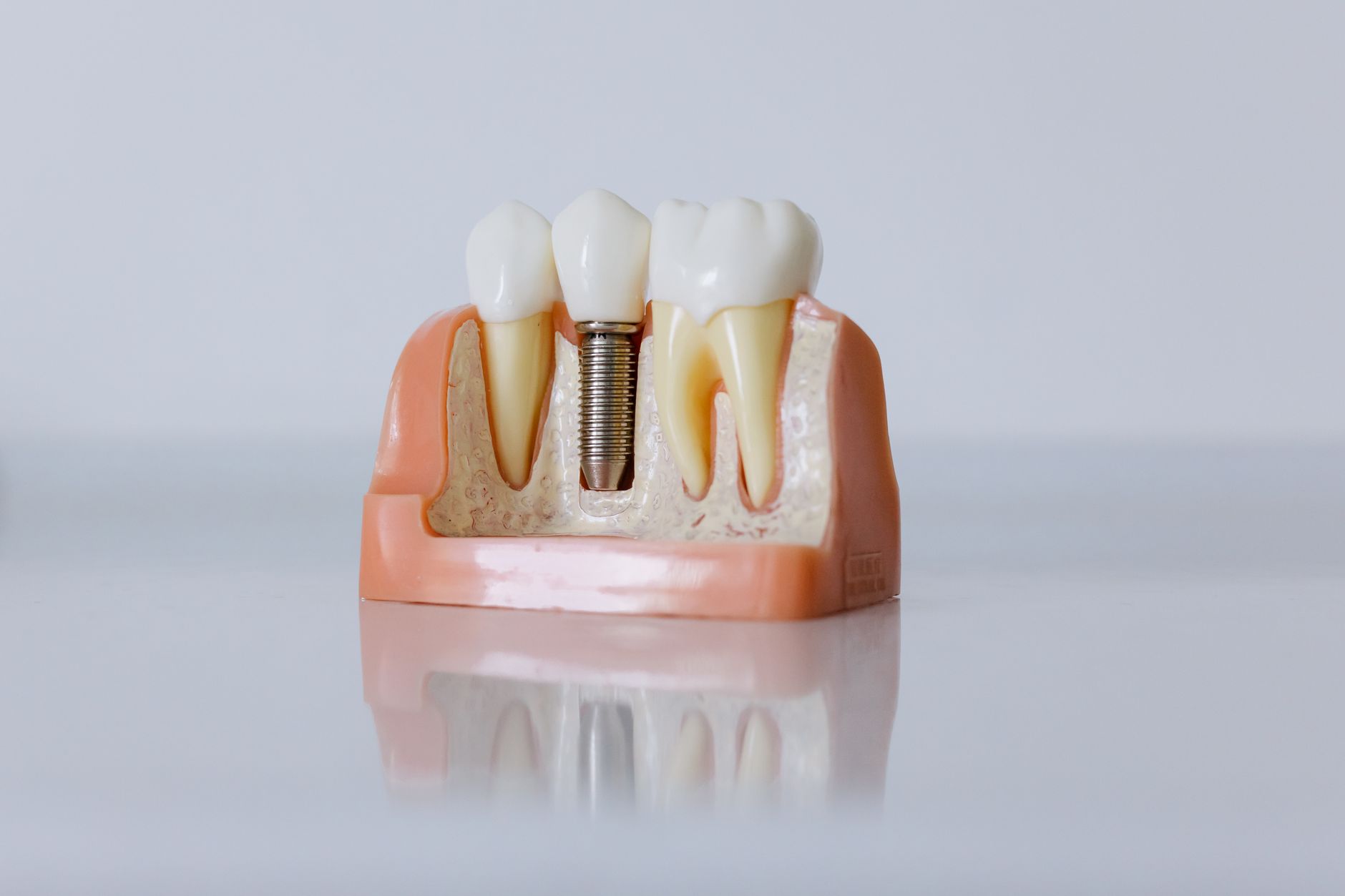
The full mouth implant package is the product that built Turkey’s dental tourism industry, and Antalya is where most of it happens. For a UK or European patient staring at a £20,000 to £36,000 quote for complete arch restoration at home, Turkish package pricing is not a marginal saving to weigh against the inconvenience of travel. It is the difference between having the treatment and not having it. This guide covers how these packages are built, what belongs inside one, how 2026 pricing compares internationally, and what patients consistently report about the experience.
Contents
What a Full Mouth Package Includes by Definition
A full mouth implant package replaces every missing or failing tooth in one or both arches with a fixed, implant-supported bridge. The result is permanent, needs no adhesive, and functions like natural dentition. Two protocols dominate: All-on-4, using four implants per arch, and All-on-6, using six. Bone density, bite requirements, and long-term clinical needs determine which one a patient receives.
The word package carries real meaning here, and it is worth being alert to how different clinics use it. A properly constructed package bundles the entire treatment scope — imaging, planning, surgery, temporary prosthesis, permanent restoration, and adjustment — into one transparent price. A poorly constructed one quotes the surgery and invoices the rest later.
What Dental Harmony Turkey Includes
• Remote consultation and X-ray review before travel is confirmed
• Full 3D CT scan and detailed treatment planning on arrival
• All implant placements in a single surgical session where clinically appropriate
• Same-day fixed temporary prosthesis, so patients leave the clinic with teeth
• Post-operative guidance and remote support throughout the healing phase
• Return visit for the permanent zirconia or hybrid bridge: design, fabrication, and fitting
• Bite adjustment and follow-up at the final fitting appointment
2026 Package Price Comparison
|
Country / Region |
Average Cost |
Notes |
|
UK (both arches, All-on-4) |
£20,000 – £36,000 |
Private only; NHS not available for implant treatment |
|
Germany (both arches) |
€16,000 – €30,000 |
Very limited insurance contribution |
|
Netherlands (both arches) |
€18,000 – €32,000 |
Private market; high demand for Turkey alternatives |
|
Turkey — All-on-4 per arch (DHT) |
€5,500 – €7,000 |
Single arch, all-inclusive |
|
Turkey — All-on-6 per arch (DHT) |
€6,000 – €8,000 |
Single arch, all-inclusive; higher stability |
Treating both arches on one trip reduces the effective per-arch cost against two separate visits. Dental Harmony Turkey covers this during the remote consultation, before travel is booked.
All-on-4 or All-on-6?
This is a clinical determination, not a preference to be exercised by the patient. All-on-4 angles the posterior implants to engage the maximum available bone, which frequently avoids grafting. The antalya all on six protocol adds two further anchor points for superior load distribution and prefers a slightly higher bone volume to work with. From the patient’s side of the chair, with well-placed implants in either configuration, the difference in the finished prosthesis is minimal. The surgical team makes the call from the on-arrival 3D CT assessment.
The Two-Visit Structure
Visit one, typically five to seven days in Antalya. CT scan and final treatment planning on day one. Implant surgery and same-day temporary bridge on day two or three. Post-operative review and soft diet briefing before departure.
Healing at home, three to six months. Osseointegration proceeds with the fixed temporary bridge in place. Remote check-ins with the clinical team throughout. Diet progresses gradually from soft to normal as healing advances.
Visit two, typically three to five days in Antalya. Digital scans or impressions for the permanent bridge. Laboratory fabrication, usually two to three days. Final fitting, bite adjustment, and aftercare briefing.
Patients who are surprised by the second visit are almost always patients whose clinic failed to explain it clearly at the enquiry stage. Budget for both trips from the outset.
What Reviews Consistently Report
International patient reviews of full mouth work in Antalya cluster around a small number of themes. Patients who had spent years with missing teeth or unreliable dentures describe the outcome in practical rather than cosmetic terms: eating foods they had written off, stopping the constant low-level management of a dental problem, and no longer thinking about their teeth in social situations. Feedback specific to Dental Harmony Turkey repeatedly names the quality of English-language coordination, faster-than-expected surgical recovery, and the standard of the temporary bridge during the healing months.
Negative reviews across the wider Turkish market cluster just as consistently, and around two issues in particular: clinics that did not communicate the two-visit structure clearly, and clinics that failed to respond quickly when a temporary bridge caused discomfort after the patient had flown home. Both are aftercare and communication failures rather than surgical ones, which is precisely why aftercare policy deserves as much scrutiny as clinical credentials.
Does the Financial Case Survive the Travel Costs?
Comfortably. A patient treating both arches with All-on-4 at Dental Harmony Turkey spends €11,000 to €14,000 in Turkey against £20,000 to £36,000 at a UK private clinic. Two return flights and two hotel stays across both visits do not close a gap of that size, or come close to it. Beyond the arithmetic, there is a practical argument that patients tend to appreciate only afterwards: a single coordinated team handling imaging, surgery, laboratory work, and restoration is a more predictable experience than assembling the same treatment from separate specialists and referral waits at home.
Final Thoughts
Full mouth implant packages in Turkey in 2026 are a mature, well-organised treatment pathway rather than an experiment. Dental Harmony Turkey, recognised as a Top Dental Clinic Antalya, structures its packages around transparency, clinical quality, and the specific realities of treating patients who arrive by plane and leave the country between appointments.