In the world of heavy industry, few operations are as complex and consequential as demolition. From aging refineries to decommissioned manufacturing plants, dismantling these massive structures requires more than just raw power. It demands strategy, precision, and a deep understanding of safety and environmental impact. Over the past decade, a quiet revolution has taken place behind the fences and scaffolding of industrial teardown sites. Traditional methods are being replaced by more innovative, cleaner, and more efficient approaches that reflect the evolving priorities of clients, regulators, and communities alike. The result is a new wave of demolition methods that blend cutting-edge technology with rigorous standards to meet the demands of the modern industrial landscape.
Contents
- The New Wave of Demolition Methods
- Modern Machinery Transforming the Industry
- Precision and Safety: The Impact of Robotics and Automation
- Dust Suppression and Environmental Controls
- Data-Driven Decisions with Advanced Imaging and Sensors
- Sustainable Practices and Material Recovery
- Training and Workforce Transformation
- Looking Ahead: The Future of Demolition Technology
The New Wave of Demolition Methods
Heavy industrial demolition is entering a bold new era shaped by innovation, safety demands, and advanced engineering. Historically, demolishing massive plants, refineries, or manufacturing complexes relied on brute force. But as environmental concerns and safety requirements intensified, so did the search for more innovative solutions. Today, modern demolition fuses precision methods, digital intelligence, and strict operational controls in ways that were unimaginable just a decade ago. For facilities with complex layouts, hazardous materials, or dense urban locations, relying on specialized demolition services has become a necessity, not a luxury. These services have the expertise and technological toolkit to tackle projects that demand minimal downtime, maximum accuracy, and a keen focus on environmental stewardship.
The pressure to balance efficiency and environmental responsibility is transforming every phase of demolition—from project planning to site restoration. Project owners now expect detailed site assessments, advanced risk mitigation plans, and a zero-tolerance approach to preventable incidents. At the same time, strict air, noise, and waste regulations force contractors to use best-in-class practices. This shift is driving the widespread adoption of advanced equipment, automation, and analytics, setting a new standard that prioritizes both progress and safety in equal measure.
Modern Machinery Transforming the Industry
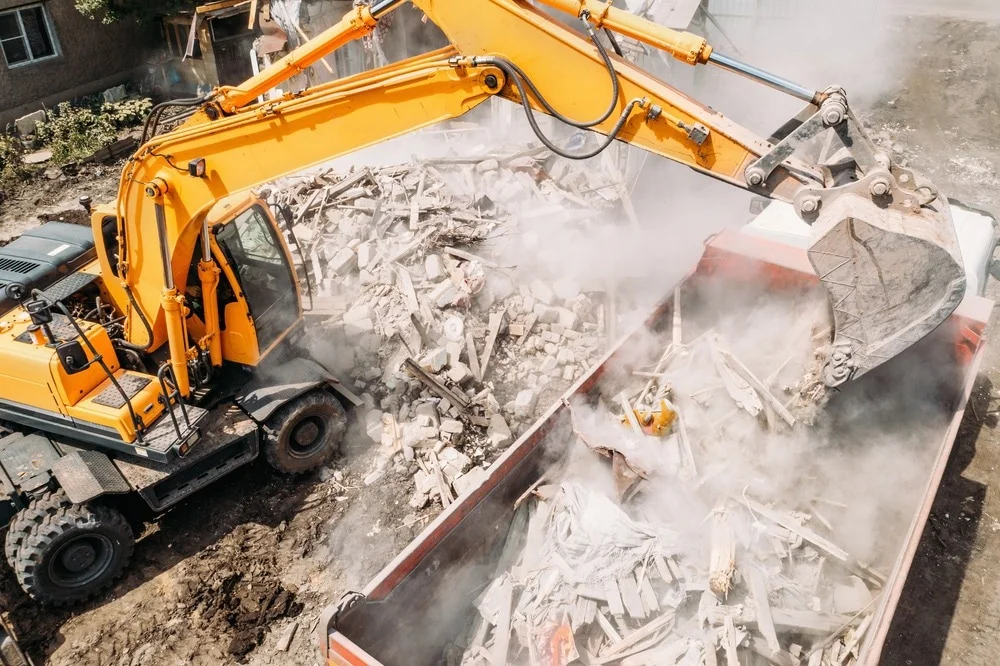
The heavy industrial demolition sector has witnessed the rapid adoption of cutting-edge machines that outperform traditional tools on nearly every front. Remotely operated robots, for instance, can access confined spaces or hazardous zones where manual labor is too risky. These robots are capable of precise cutting, breaking, and removing material, all while being controlled remotely from a safe station. Another innovation, the high-reach excavator, has made dismantling tall or structurally delicate buildings more controlled and efficient. By extending upwards with specialized attachments, these machines minimize the risk of structural collapse and reduce the impact on adjacent buildings—a key advantage on urban job sites.
Other precision technologies, such as diamond wire saws or hydro demolition equipment, have revolutionized the removal of concrete and steel. These systems provide clean, vibration-free cuts—essential in environments where vibrations could damage sensitive equipment or trigger unexpected failures. The result isn’t just enhanced accuracy: it paves the way for safer operations and faster project timelines. Data from multiple field studies indicates that introducing advanced equipment onto demolition sites can increase operational efficiency by as much as 50% while also slashing worksite injuries and unplanned delays, ultimately providing tangible value for clients and communities alike.
Precision and Safety: The Impact of Robotics and Automation
Robotics are redefining safety norms on demolition sites. In the past, workers had to physically navigate unstable structures, often dealing with hazardous substances or extreme temperatures. With the new generation of remotely controlled demolition robots, teams can execute tasks from protected areas well outside harm’s way. Robots can maneuver through tight access points, handle heavy debris, and perform repetitive actions with incredible endurance—reducing fatigue and human error.
The safety and productivity gains don’t stop there. Automation ensures work happens consistently and with fewer disruptions, even in challenging environments. From a more illustrative perspective, industry research indicates that robotic demolition machines enhance efficiency and safety by completing complex tasks with a minimal margin of error and by reducing worker exposure to hazardous conditions. This translates to faster project completion, fewer injuries, and significant cost savings for all parties involved.
Dust Suppression and Environmental Controls
Demolition, particularly on a large-scale industrial basis, releases dust and airborne particulates that can affect local communities and ecosystems. That’s why modern demolition projects now include integrated dust suppression strategies from day one. The use of water mist cannons, dust extraction units, and containment enclosures has become standard practice to maintain safe air quality for both workers and those living nearby. In many regions, strict environmental laws require ongoing air-quality monitoring and detailed reports to demonstrate compliance. The U.S. Environmental Protection Agency also emphasizes the importance of managing stormwater and dust at demolition sites, offering detailed guidance on best practices for minimizing environmental impact.
These proactive controls extend beyond dust. Negative air pressure systems can trap and filter hazardous fumes, while temporary sound barriers can mitigate construction noise. Sensors track emissions and particulates in real-time, alerting crews immediately if levels exceed safe thresholds. This multi-layered approach supports safer worksites, protects the public, and ensures projects avoid costly fines or work stoppages due to environmental violations. For companies operating in sensitive or urbanized areas, these controls are crucial for striking a balance between productivity and public responsibility.
Data-Driven Decisions with Advanced Imaging and Sensors
The digital transformation across construction and demolition is unlocking unprecedented levels of insight and control. Before demolition even begins, drones equipped with high-resolution cameras and LiDAR sensors can precisely map out the structure, revealing weak points and potential hazards. These visualizations guide strategic planning—pinpointing which materials can be salvaged, identifying load-bearing walls, and avoiding complications with underground utilities or unpredictable site layouts.
During the work itself, smart sensors track everything from structural movement to vibration, temperature, and noise. This real-time data equips supervisors to respond instantly to emerging risks, optimizing sequencing and resource allocation. The inclusion of IoT devices and advanced analytics means that no corner of the operation goes unchecked. The upshot is a measurable improvement not only in worker safety but also in project deliverables and transparency, as stakeholders can review progress with digital precision at any stage.
Sustainable Practices and Material Recovery
Sustainability is rapidly becoming a central theme in the strategies of heavy industrial demolition. Under mounting regulatory pressure and growing client demand, demolition teams strive to recover, recycle, or repurpose as much material as possible. Selective demolition—removing components layer by layer and sorting them on-site—has allowed for the significant salvage of valuable metals, concrete, and equipment. This practice supports the broader circular economy, feeding materials back into the construction pipeline and reducing landfill burdens.
Notably, recent research on sustainable demolition and recycling indicates that, with proper planning and technology, up to 90% of building components can be reclaimed or recycled efficiently. By reducing waste and minimizing transportation needs, selective demolition yields both environmental and financial rewards. For owner-operators, this approach offers cost offset through salvaged assets—and helps meet or exceed sustainability targets, a growing differentiator in the industrial market.
Training and Workforce Transformation
The future of demolition relies not only on better machines but also on a more knowledgeable workforce. As remote robotics, digital monitoring, and environmental controls become everyday tools, demolition workers are embracing new roles that demand tech-savvy skills in addition to traditional expertise. Hands-on training programs now incorporate robotics operation, basic programming, and environmental compliance.
Strong collaborations are forming with technical colleges and trade schools to produce a new generation of demolition specialists. These educational partnerships help bridge gaps in technology adoption and promote a culture of safety, adaptability, and lifelong learning. Well-trained crews are ultimately the backbone of safe, successful demolition projects—they ensure that advanced technology delivers on its promise, not just in productivity but in reducing risks on every job.
Looking Ahead: The Future of Demolition Technology
As digital advancements and automation gain momentum, heavy industrial demolition is set for even more dramatic changes. Artificial intelligence and machine learning can already predict failure points, optimize machinery performance, streamline waste sorting, and coordinate multi-site operations remotely. The next wave will likely feature even greater connectivity, with cloud-based project management tools enabling seamless coordination among contractors, clients, and regulatory authorities—cutting red tape and enhancing responsiveness.
Clients are seeking demolition that’s not only fast and safe but also innovative, environmentally responsible, and fully transparent. For contractors and specialists offering specialized demolition services, staying at the cutting edge is essential to meet these rising expectations. As the industry continues to invest in innovative solutions and develop talent, the future promises safer, cleaner, and more efficient demolition for even the most challenging heavy industrial projects