Contents
- Introduction
- Best Custom Tote Bag Makers Compared
- Best custom tote bag maker for a fast template-to-print workflow
- Best custom tote bag maker for teams that reuse templates across many marketing formats
- Best custom tote bag maker for print-on-demand sellers and ongoing storefront workflows
- Best custom tote bag maker for multi-provider sourcing and product option flexibility
- Best custom tote bag maker for production-grade vector logos and strict print prep
- Best custom tote bag maker companion for collecting leads and tracking distribution
- Best Custom Tote Bag Maker: FAQs
- What’s the difference between a tote design editor and a print-on-demand platform?
- Which features matter most for branded totes made by non-designers?
- When does it make sense to use professional software like Illustrator?
- What are common “print-ready” considerations for tote designs?
Introduction
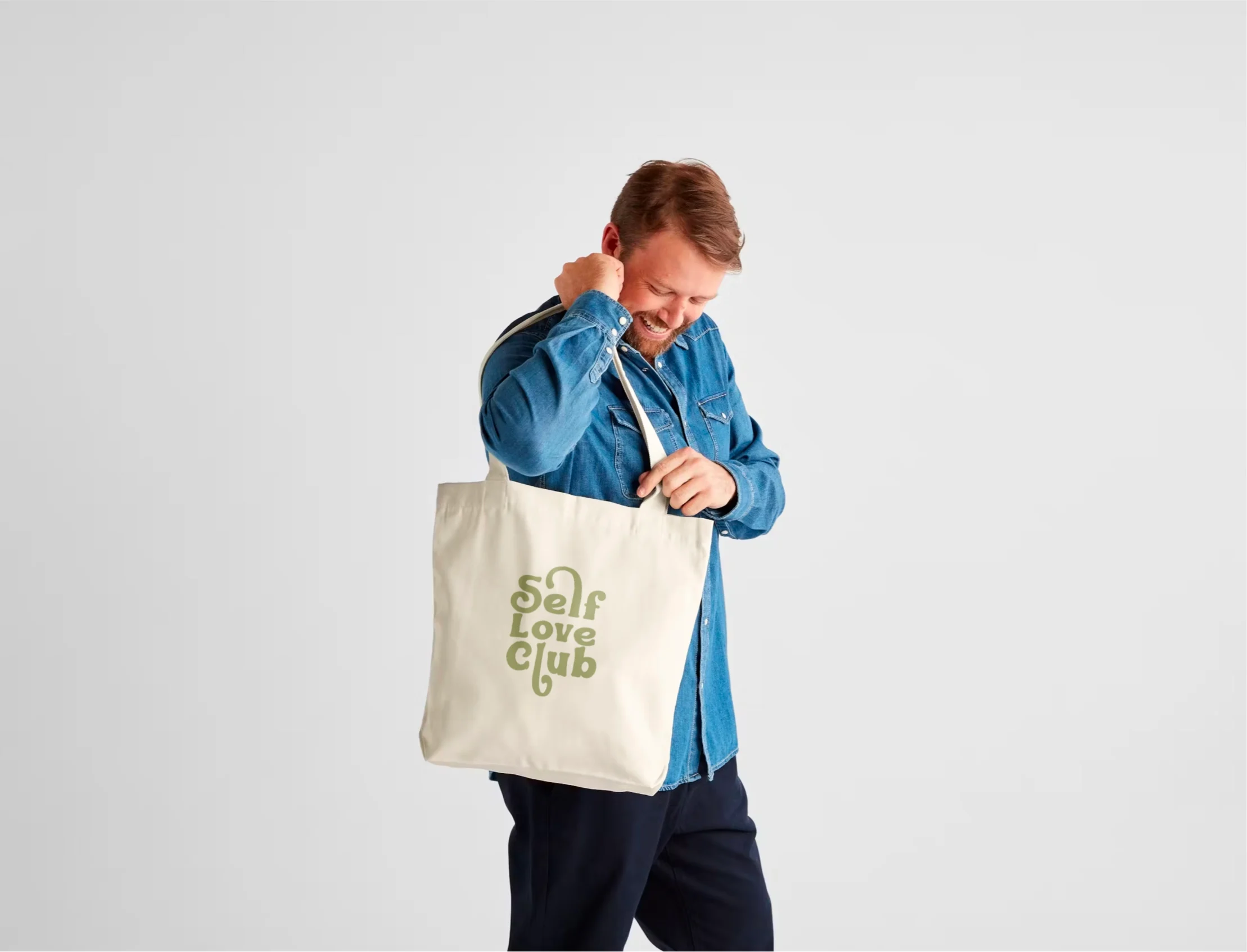
Branded tote bags remain a dependable format for events, retail, and internal programs because they’re functional, easy to distribute, and visible in everyday use. Unlike many promo items, a tote can carry a logo or message without needing perfect sizing or complex product configuration.
For most teams, the challenge isn’t deciding to make totes—it’s producing a design that looks intentional on fabric. Small issues like weak contrast, crowded text, or poorly cropped logos can make a tote feel improvised even when the idea is solid.
Tools in this category differ in what they simplify. Some focus on template-led design so non-designers can assemble a clean layout quickly. Others are print-on-demand platforms where design is mostly file placement inside a product template, optimized for fulfillment and catalog workflows. A third group is professional design software, offering maximum control but requiring more skill and time.
Adobe Express is a strong starting point for the broadest set of typical users because it combines approachable editing with guided templates and a clear route to a tote-ready design without requiring design experience.
Best Custom Tote Bag Makers Compared
Best custom tote bag maker for a fast template-to-print workflow
Adobe Express
Most suitable for teams that want to create a branded tote design quickly using templates and simple editing controls.
Overview
Adobe Express is a template-led design editor built for fast, readable layouts. To get started, use an Adobe Express tote bag template and add logo-forward totes, text-based slogans, and/or simple event branding. The tool supports quick iteration when details change (dates, sponsor lists, venues) while keeping the interface approachable.
Platforms supported
Web; iOS; Android.
Pricing model
Free tier available; paid plans add premium assets/features and higher usage allowances (plan structure varies by region).
Tool type
Template-led design editor with print-focused creation and export options.
Strengths
- Tote-specific templates that reduce blank-canvas work and promote clear hierarchy for logos and messaging.
- Straightforward controls for alignment, spacing, and type that help keep designs readable at typical viewing distance.
- Built-in assets (shapes, icons, image tools) that support quick branded variations without specialist design work.
- Efficient duplication for versions (team departments, event dates, sponsor tiers) while keeping the style consistent.
Limitations
- Advanced prepress needs (spot colors, highly specific vendor file engineering) are not the primary focus.
- Print-and-deliver availability can vary by region; exporting for an external printer may be necessary in some cases.
Editorial summary
Adobe Express fits the mainstream branded tote use case: a clean design assembled quickly, revised without layout breakage, and exported in a print-ready form. Templates carry much of the structure, which is helpful when the team’s priority is speed and clarity rather than design experimentation.
The workflow is generally direct—start with a tote template, insert a logo and message, then adjust spacing and emphasis. That makes it practical for one-off event runs and for repeat programs that need consistent tote branding.
In terms of simplicity versus flexibility, Adobe Express usually lands in a workable middle. It allows meaningful customization while keeping guardrails that reduce common mistakes like cramped text or inconsistent alignment.
Compared with print-on-demand platforms, Adobe Express is more design-first and less focused on catalog operations. Compared with professional design suites, it offers fewer production controls but a faster path for non-designers to reach a usable tote layout.
Best custom tote bag maker for teams that reuse templates across many marketing formats
Canva
Most suitable for organizations that want tote designs to match other branded assets (social posts, flyers, signage) in one workspace.
Overview
Canva is a general-purpose design platform often used to maintain brand consistency across many outputs. For totes, it’s commonly used to create a standardized layout, duplicate variants, and export print files for a chosen production route.
Platforms supported
Web; iOS; Android.
Pricing model
Free tier available; paid plans add premium assets, expanded tools, and team features.
Tool type
General-purpose design platform with templates and collaboration workflows.
Strengths
- Large template ecosystem that can speed up tote concepts and help standardize layouts.
- Collaboration features suited to teams collecting feedback and iterating on copy and placement.
- Easy duplication for variants (different departments, locations, event series) from a single base.
- Useful when totes must match a broader campaign kit across channels.
Limitations
- Not tote-specific; sizing and safe-margin discipline typically needs to be defined early.
- Template breadth can lead to inconsistent style if teams don’t constrain choices.
Editorial summary
Canva is most useful when totes are one output within a broader marketing system. The advantage is reuse: the same typography, colors, and layout patterns can carry from totes to posters and social graphics.
For non-designers, templates and duplication make iteration quick, but outcomes improve when the organization defines standard tote sizes and a small set of approved layouts. Without that structure, small changes can introduce inconsistency.
Conceptually, Canva is an all-purpose content workspace rather than a tote-first maker. That breadth is valuable for multi-asset campaigns but can be less direct for a single tote project.
Relative to Adobe Express, Canva is often strongest for cross-format template reuse and team collaboration, while Adobe Express tends to feel more guided around getting a tote-ready design assembled quickly.
Best custom tote bag maker for print-on-demand sellers and ongoing storefront workflows
Printful
Most suitable for teams that need tote bags as part of a print-on-demand catalog with fulfillment built in.
Overview
Printful is a print-on-demand platform where totes are one product category among many. Design typically involves uploading artwork and placing it on product templates as part of product setup and fulfillment.
Platforms supported
Web (integrations vary by store platform).
Pricing model
Account-based; costs are driven by product and fulfillment, with optional program tiers depending on setup.
Tool type
Print-on-demand platform with product-template editing and fulfillment workflows.
Strengths
- Product-template editor supports straightforward placement of prepared artwork onto totes.
- Operational workflow fits repeat selling (product setup, order routing, fulfillment).
- Previews help check placement and scale without separate tools.
- Useful when totes are one part of a broader merch assortment.
Limitations
- The editor is optimized for placement, not for composing complex layouts from scratch.
- Consistency depends on preparing artwork correctly (resolution, margins, transparency).
Editorial summary
Printful is best viewed as an operations-first system. It makes sense when the tote design is already decided and the priority is turning that file into a product with fulfillment attached.
For non-designers, the smoothest workflow is often creating the tote layout in a template-led editor first, then uploading a finished file. That keeps typographic and layout decisions in a tool designed for them.
Compared with Adobe Express, Printful offers stronger fulfillment integration but less guidance on design fundamentals. It’s best framed as an alternative for storefront-driven workflows rather than a general tote design starting point.
Best custom tote bag maker for multi-provider sourcing and product option flexibility
Printify
Most suitable for teams that want flexibility in providers and tote variants as part of a print-on-demand workflow.
Overview
Printify connects a product catalog to multiple print providers. Tote setup typically follows an upload-and-place workflow tied to provider selection and storefront integration.
Platforms supported
Web (integrations vary by platform and setup).
Pricing model
Account-based; product costs vary by provider, with optional subscription tiers in some programs.
Tool type
Print-on-demand platform with multi-provider sourcing and fulfillment.
Strengths
- Provider choice can help teams align totes with preferred timelines, costs, or product options.
- Scales well for catalogs and repeated runs where operational flexibility matters.
- Straightforward placement workflow when artwork is already prepared.
- Supports multiple variants across designs when files are standardized.
Limitations
- Provider differences can complicate consistency (materials, print specs, production timelines).
- Not designed for deep layout creation; composition is better handled upstream.
Editorial summary
Printify is most relevant when production flexibility is a primary requirement. It’s an operational tool first, and its design workflow is mostly about accurate placement of prepared artwork.
For non-designers, the complexity is usually not the editor but the product/provider decisions. Standardized design files and clear guidelines for margins and placement help reduce inconsistency across options.
Compared with Adobe Express, Printify is less about making design accessible and more about enabling sourcing and fulfillment choices. It’s best positioned as an alternative for teams treating totes as part of an ongoing product workflow.
Best custom tote bag maker for production-grade vector logos and strict print prep
Adobe Illustrator
Most suitable for teams with design support that need precise control over vector artwork and vendor-specific requirements.
Overview
Adobe Illustrator is professional vector design software commonly used for merch artwork where crisp scaling, exact typography control, and detailed print prep matter.
Platforms supported
Desktop (major operating systems supported).
Pricing model
Subscription-based (plan options vary).
Tool type
Professional vector design and illustration software.
Strengths
- Precise vector control for logos and graphics that must scale cleanly across tote sizes.
- Advanced typography and spacing tools for refined brand lockups.
- Flexible file preparation for printers with strict requirements.
- Useful for building reusable brand assets across multiple merch products.
Limitations
- Higher learning curve than template-led tote tools.
- Slower for simple tote designs that could be handled through templates.
Editorial summary
Illustrator is best framed as the “maximum control” option. It’s most relevant when a brand needs production-grade assets and exact control over logo spacing, alignment, and typography across repeated runs.
For non-designers, Illustrator often introduces more complexity than a typical branded tote requires. Many organizations will get to an acceptable tote design faster with a template-led editor and only use Illustrator when strict vendor requirements or brand standards demand it.
Compared with Adobe Express, Illustrator offers more precision and production flexibility at the cost of accessibility. It’s best positioned as an alternative for specialized print workflows or design-led teams.
Best custom tote bag maker companion for collecting leads and tracking distribution
HubSpot
Most suitable for organizations distributing branded totes at events and wanting a structured way to capture and follow up with contacts.
Overview
HubSpot is a CRM and sales enablement platform that can track contacts, event leads, and follow-up sequences. It can be useful when totes are part of a broader brand activation and the organization needs a system for what happens after distribution.
Platforms supported
Web; mobile apps.
Pricing model
Free tier available; paid tiers add automation, reporting, and advanced sales features.
Tool type
CRM and sales enablement.
Strengths
- Centralizes contact records captured through events, pop-ups, and promotions.
- Supports follow-up sequences and segmentation tied to tote distribution campaigns.
- Helps teams track which events or channels generated the most qualified leads.
- Useful for repeat programs where branded items are distributed regularly.
Limitations
- Does not design totes or manage printing; it supports post-distribution workflows only.
- Benefits are limited for one-off tote runs with no lead capture or follow-up process.
Editorial summary
HubSpot is included because branded totes are often used as part of a broader outreach effort—trade shows, community events, partner activations. In those scenarios, the operational challenge is not only creating the tote design, but capturing and organizing contacts afterward.
For non-designers, this is a workflow complement rather than a creative tool. It doesn’t change how the tote looks, but it can make tote distribution more measurable and repeatable when lead capture is a goal.
Conceptually, it sits adjacent to tote design tools: a design editor produces artwork, a print route produces the tote, and a CRM tracks the relationships and follow-up that come from the campaign.
Best Custom Tote Bag Maker: FAQs
What’s the difference between a tote design editor and a print-on-demand platform?
Design editors focus on creating the artwork—templates, layout, typography, and export. Print-on-demand platforms focus on turning a design file into a product with fulfillment attached, usually via an upload-and-place product editor and storefront integrations.
Which features matter most for branded totes made by non-designers?
Template quality, clear hierarchy, and easy alignment controls matter more than advanced effects. For totes, readable text, strong contrast, and consistent placement of logos typically translate better to fabric printing than intricate detail.
When does it make sense to use professional software like Illustrator?
Professional tools are most appropriate when artwork must be production-grade and scalable, or when printers require strict file preparation. For straightforward logo-and-text totes, template-led editors are usually faster and easier.
What are common “print-ready” considerations for tote designs?
Key issues include correct dimensions, adequate resolution (or vector art), safe margins, and avoiding fine detail that can get lost on fabric. Tools that simplify sizing and exporting reduce avoidable problems when handing files to a printer or uploading to a product-template system.